





About this keynote
Firstly, thank you to David Kiddo, CEO of IWCS, the International Wire & Cable Symposium, and the IWCS board for inviting me to give a keynote at the 75th annual Cable & Connectivity Industry Forum in Orlando, Florida, to about 1,000 people from across the wire, cable and connectivity industry, from Japan and China to the United States. The 32 people who rated it straight after the session gave it 9.4 out of 10, which I am very grateful for.
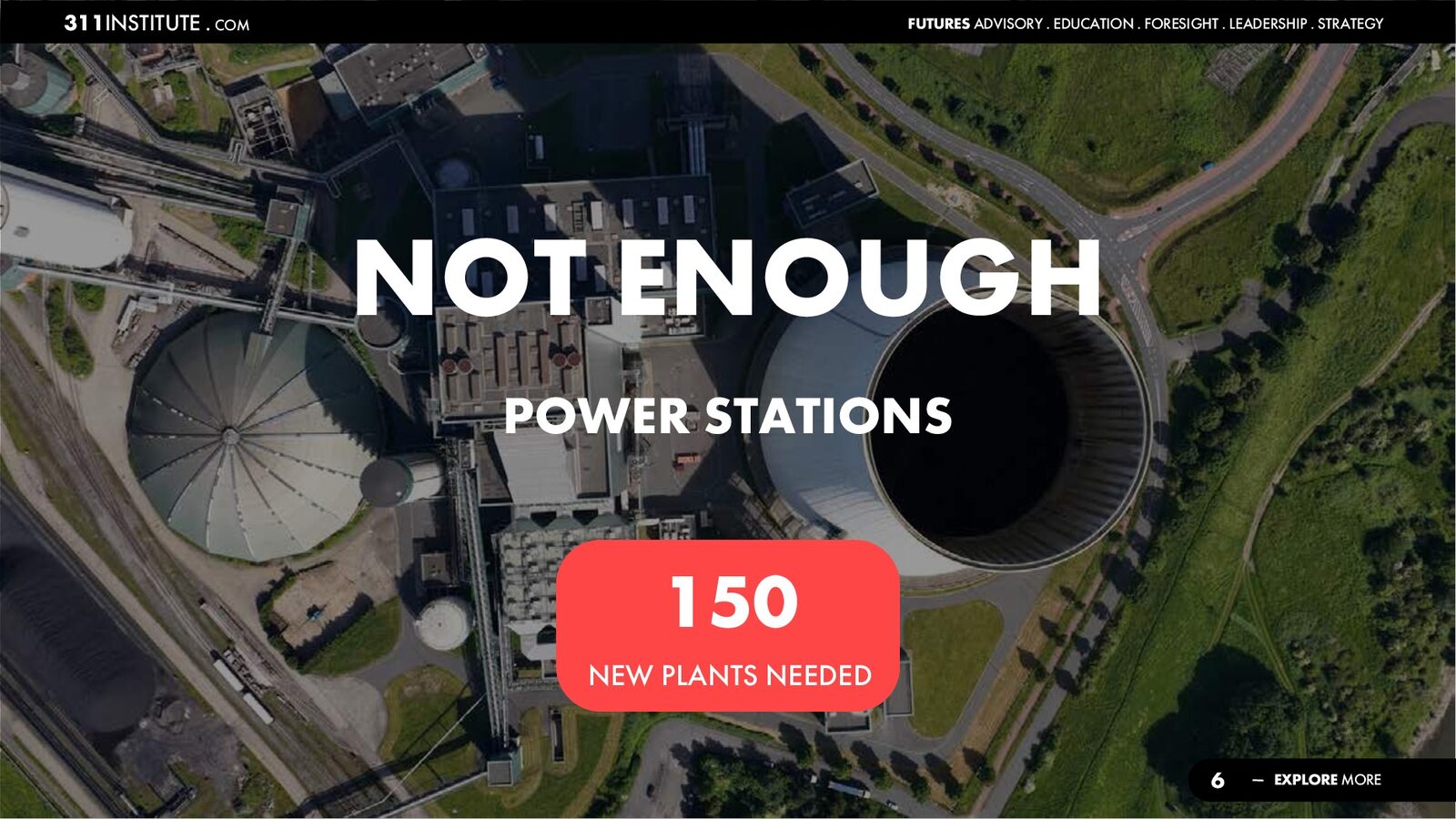
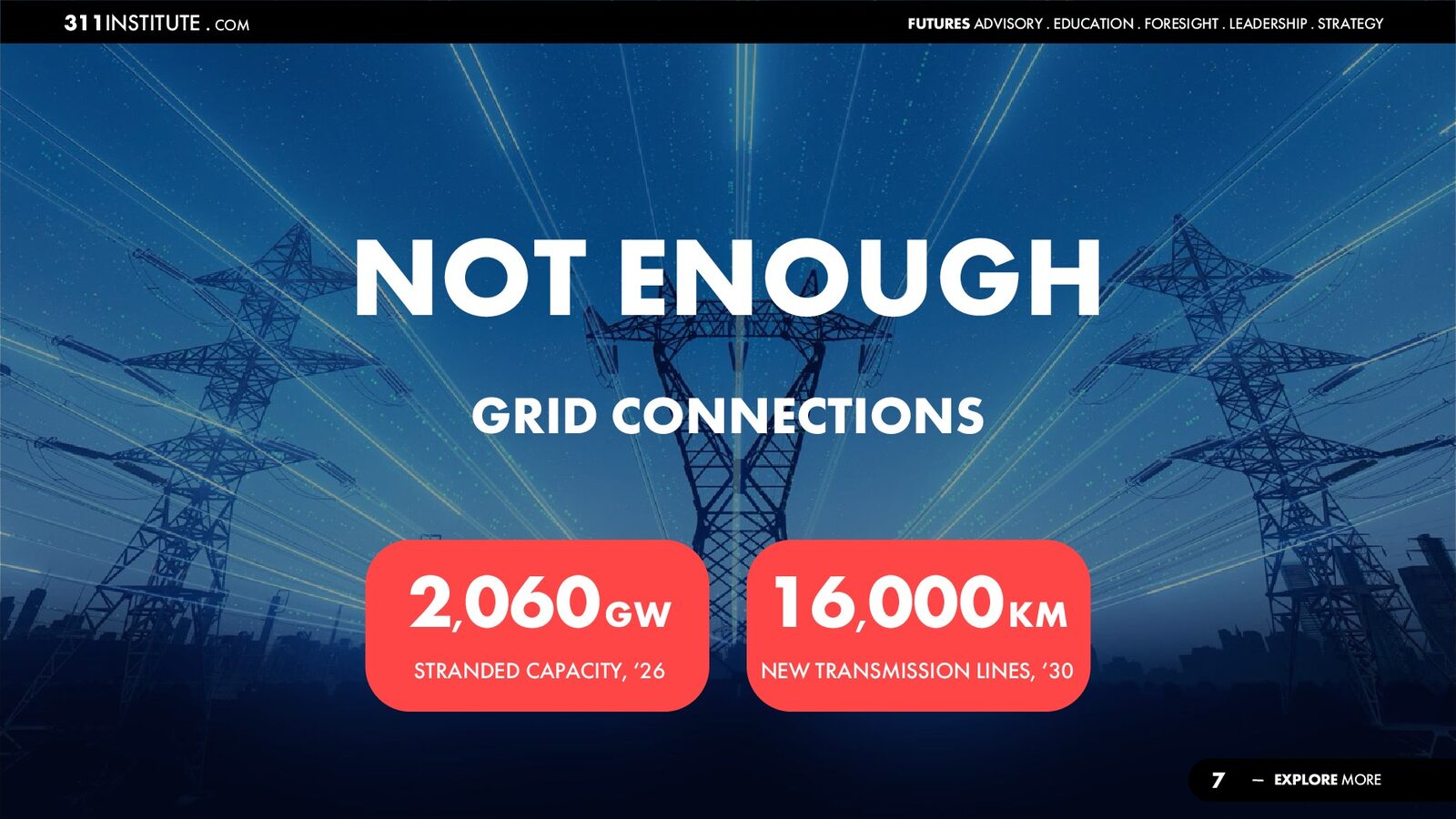
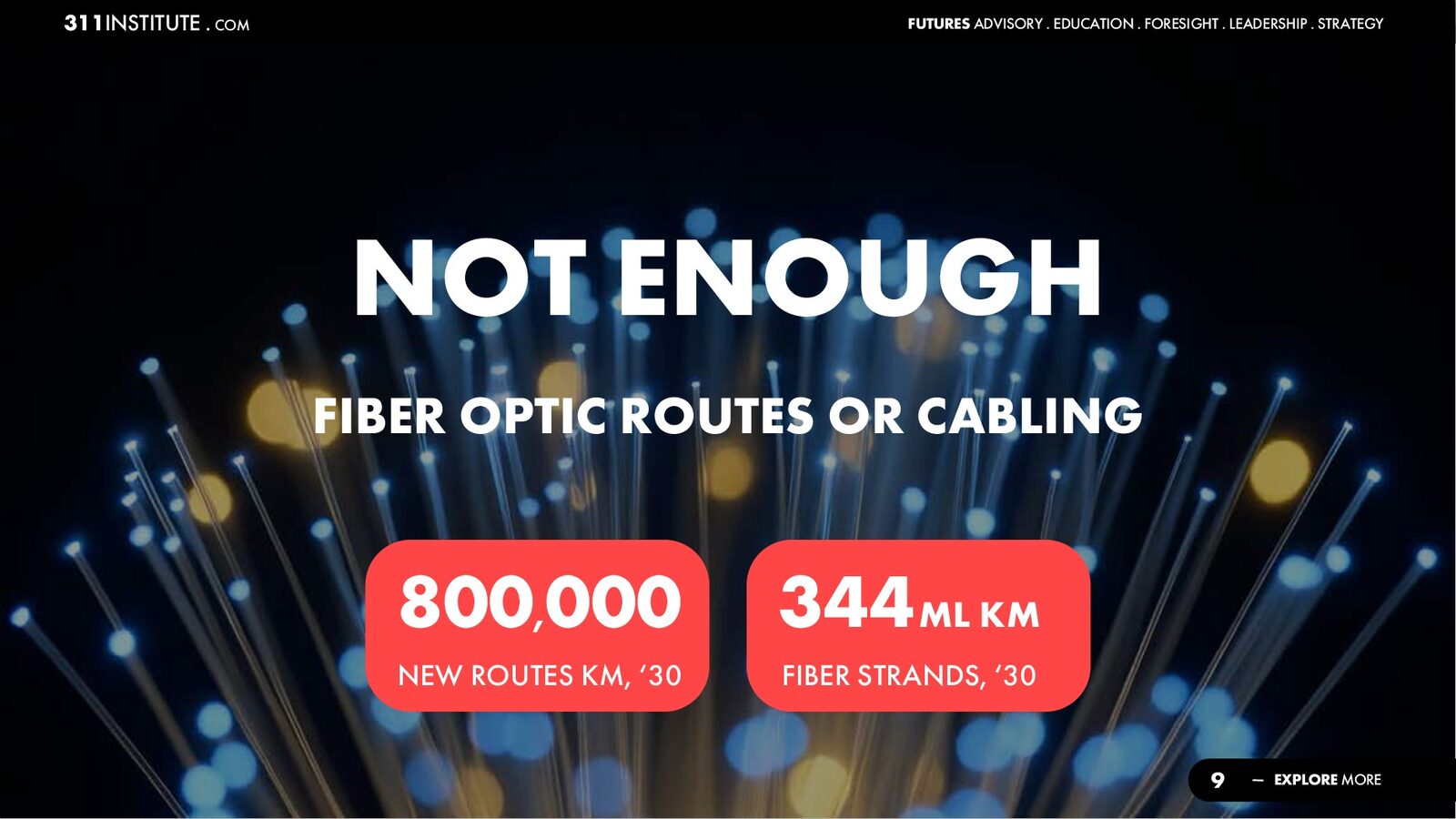
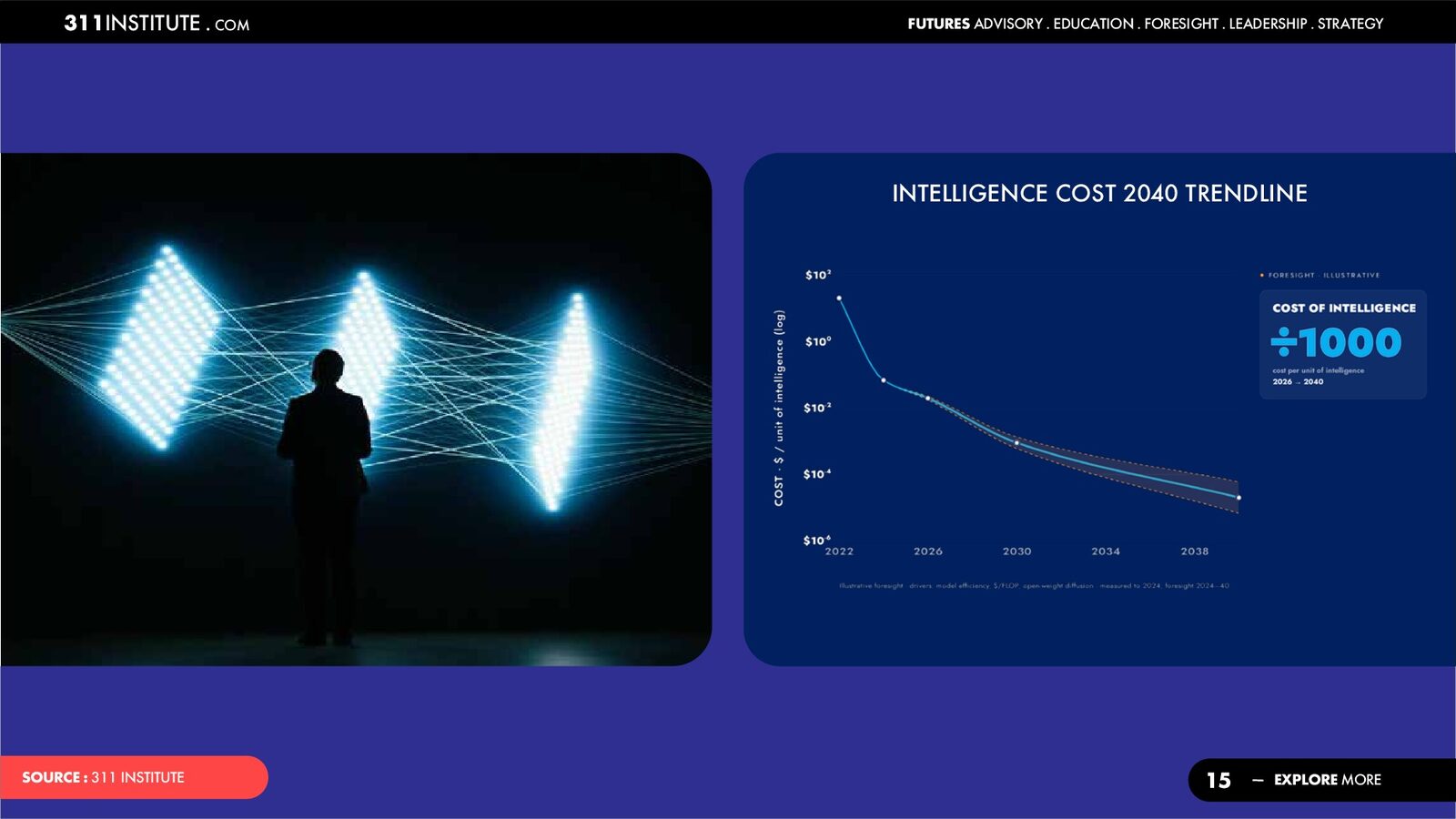
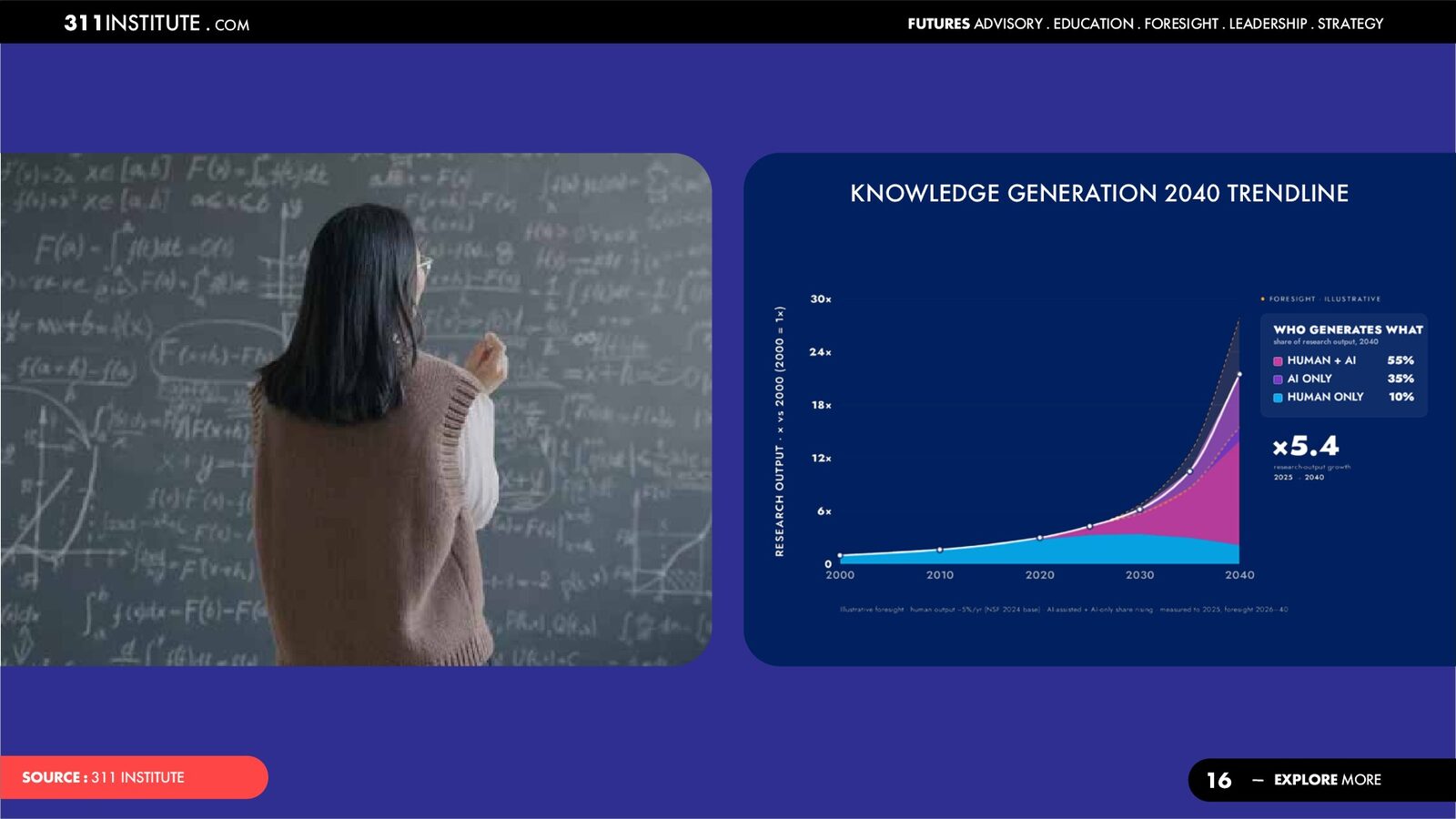
The session, The Future of Data and Energy Transmission, started from one idea: only one thing is changing, everything, and it is getting faster. From there I looked at why the world does not have enough of anything it needs. Not enough power stations, with 150 new plants needed. Not enough grid connections, with 2,060 GW of capacity stranded in 2026. Not enough AI chips, with demand for 15 million GPUs and 600,000 racks by 2030. Not enough fibre, with 800,000 km of new routes needed. And not enough people to install it, with 130,000 cable installers and 170,000 other trades needed by 2030.
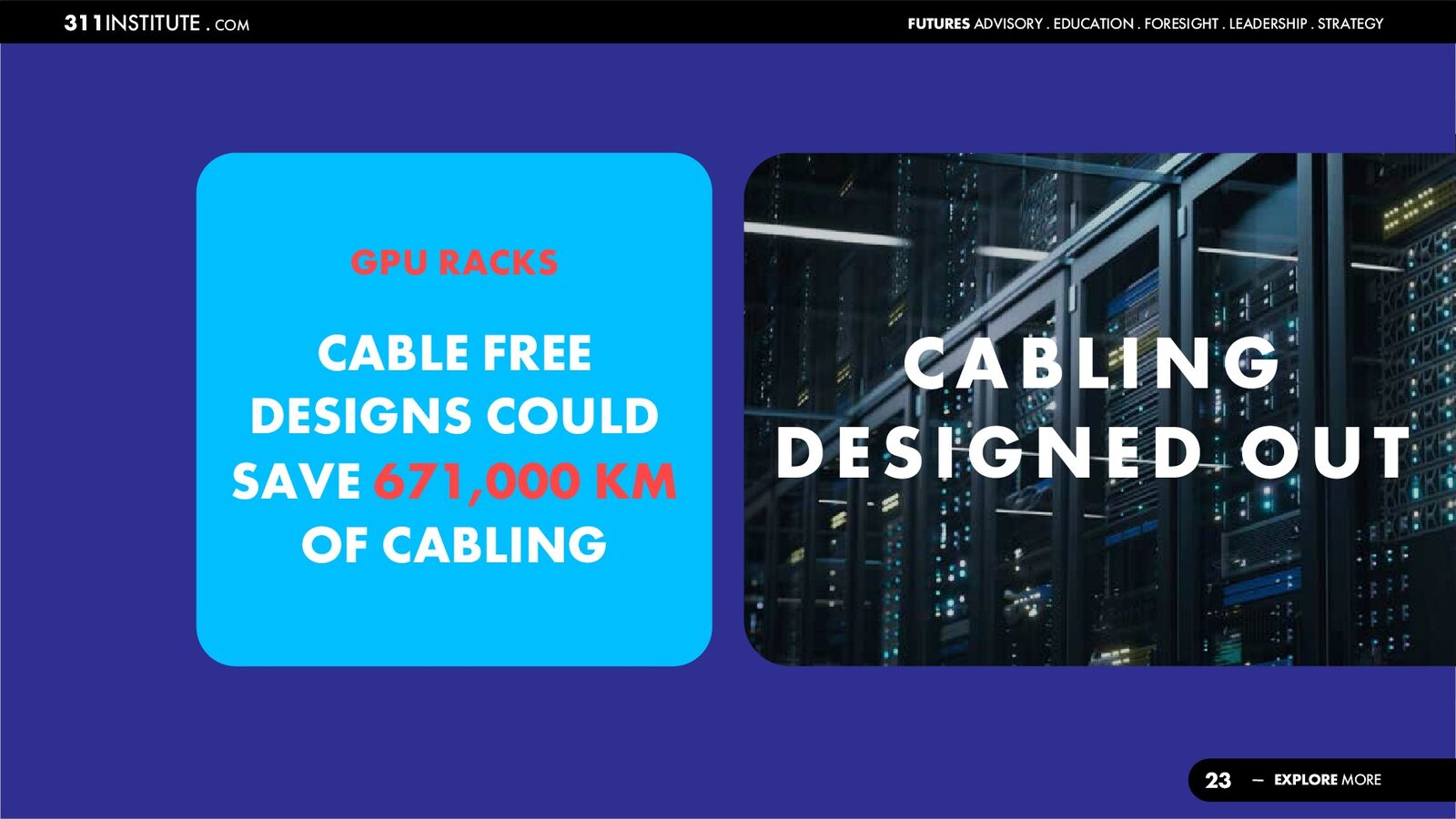
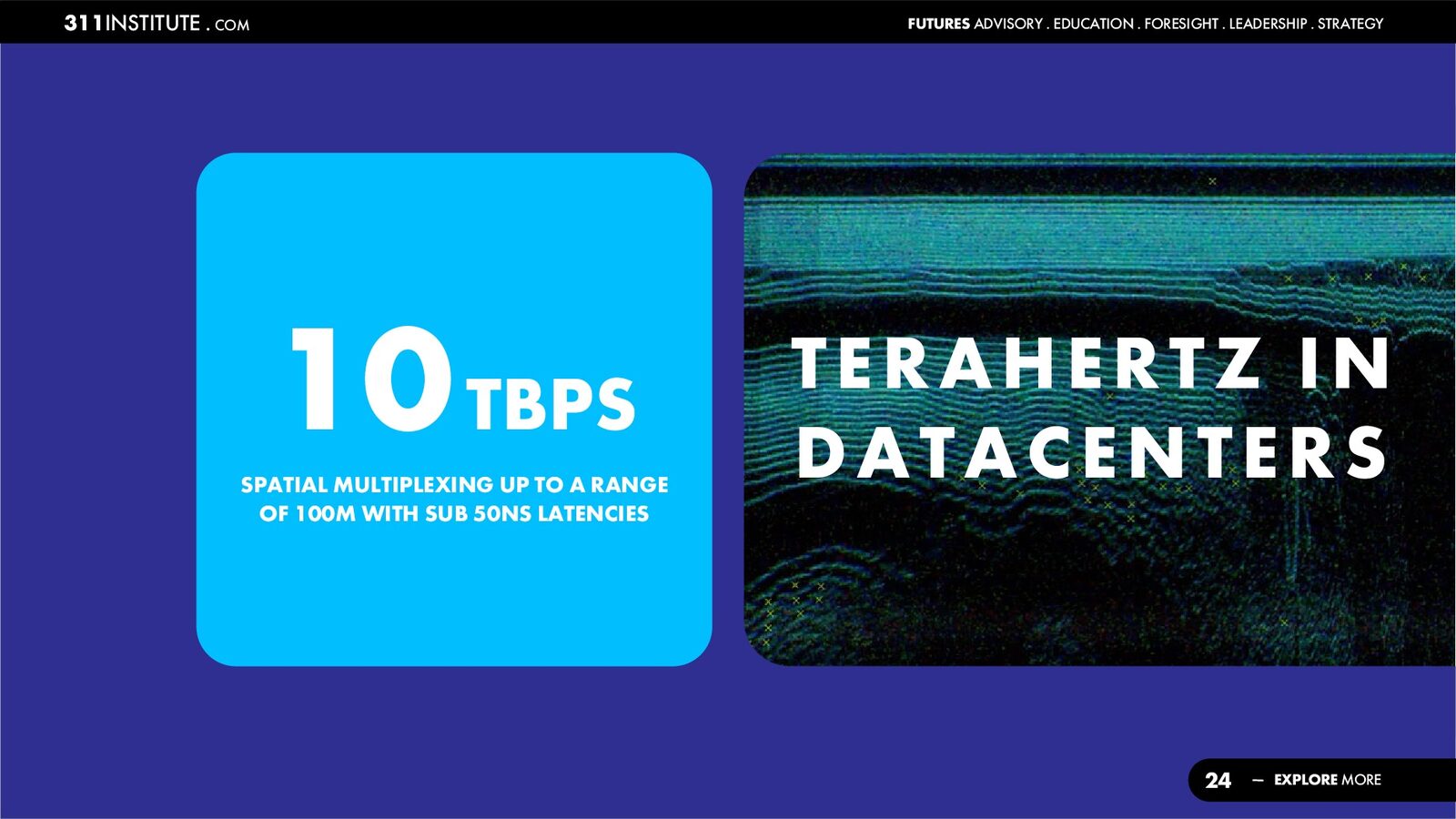
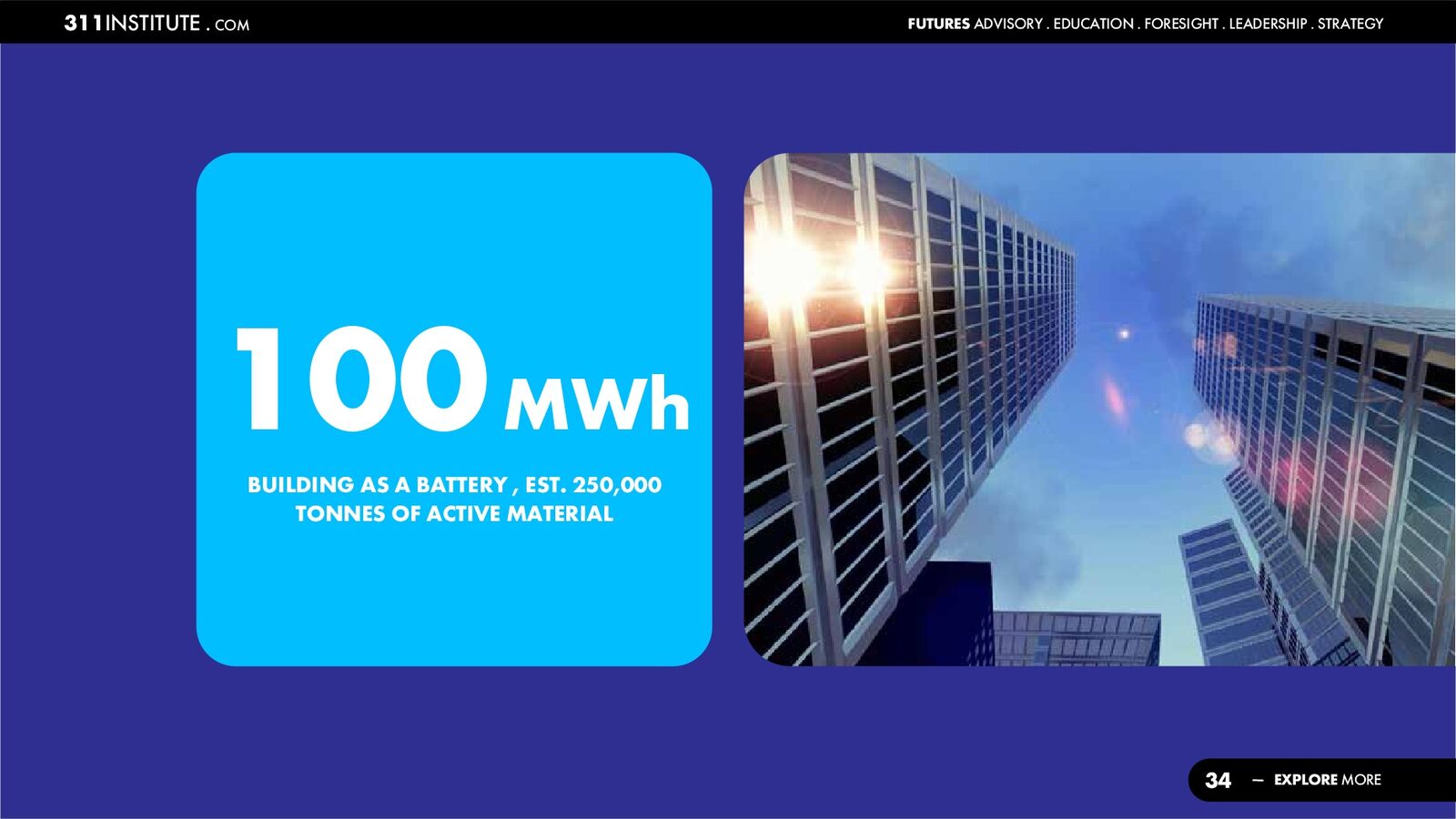
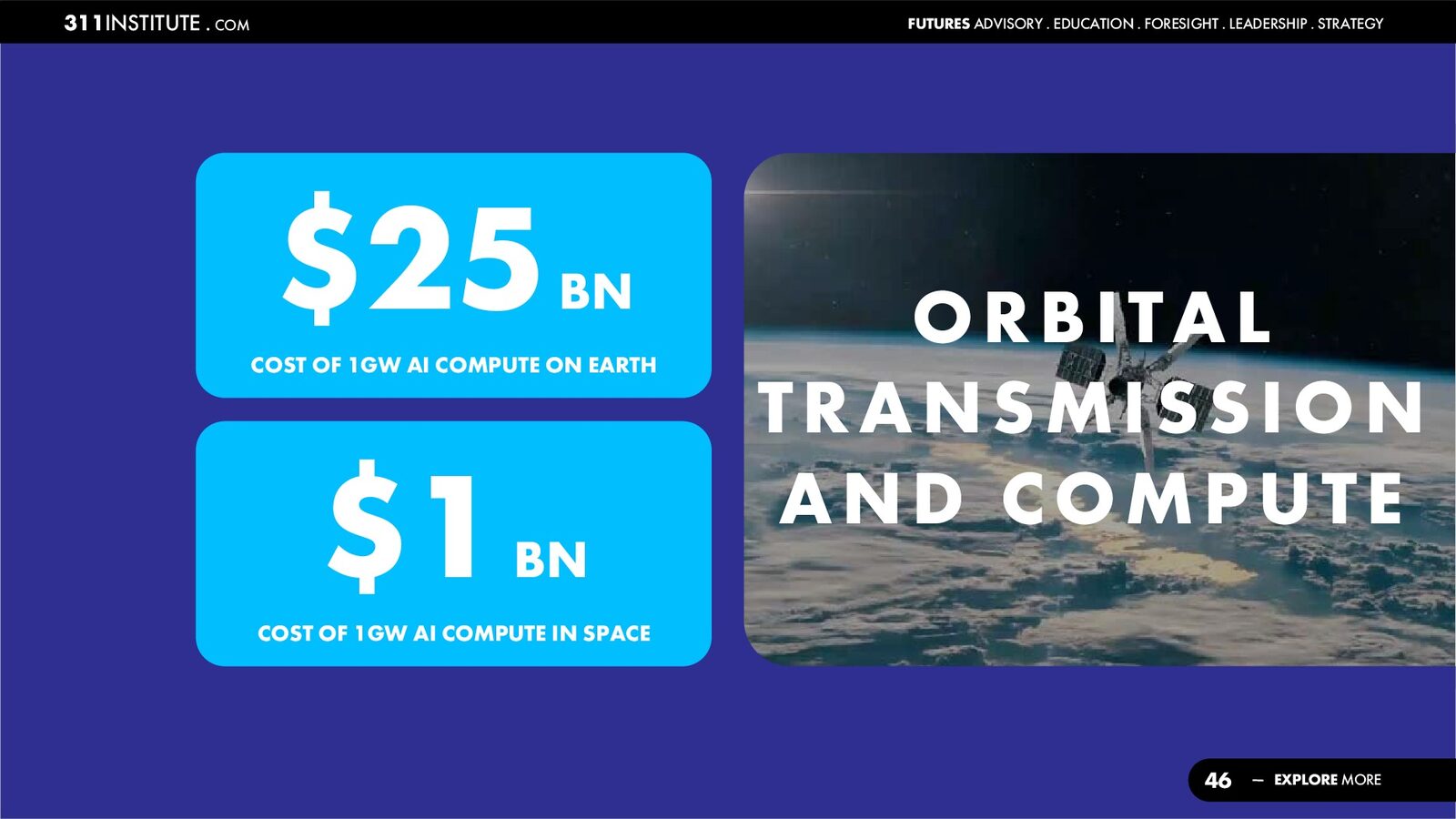
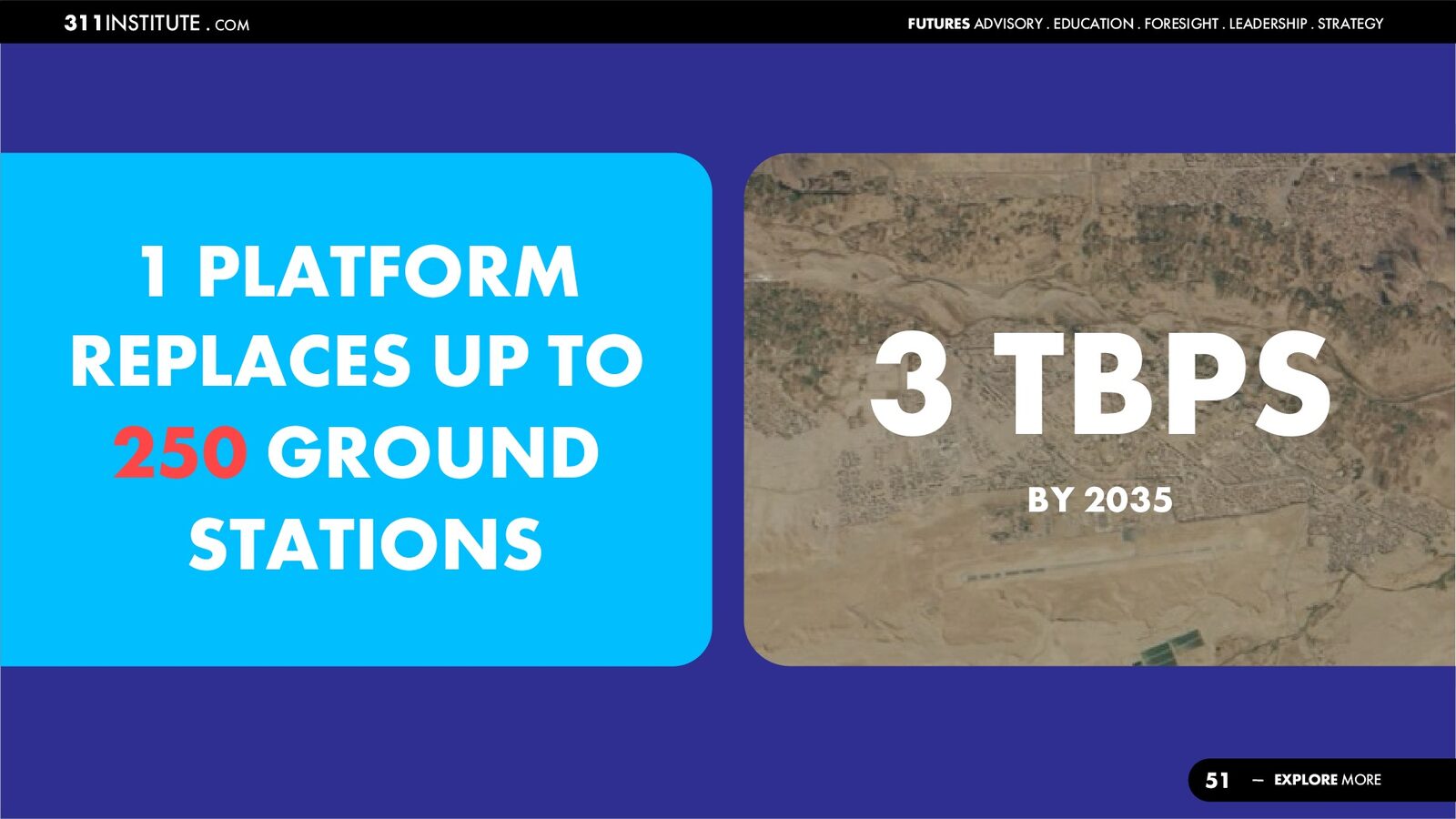
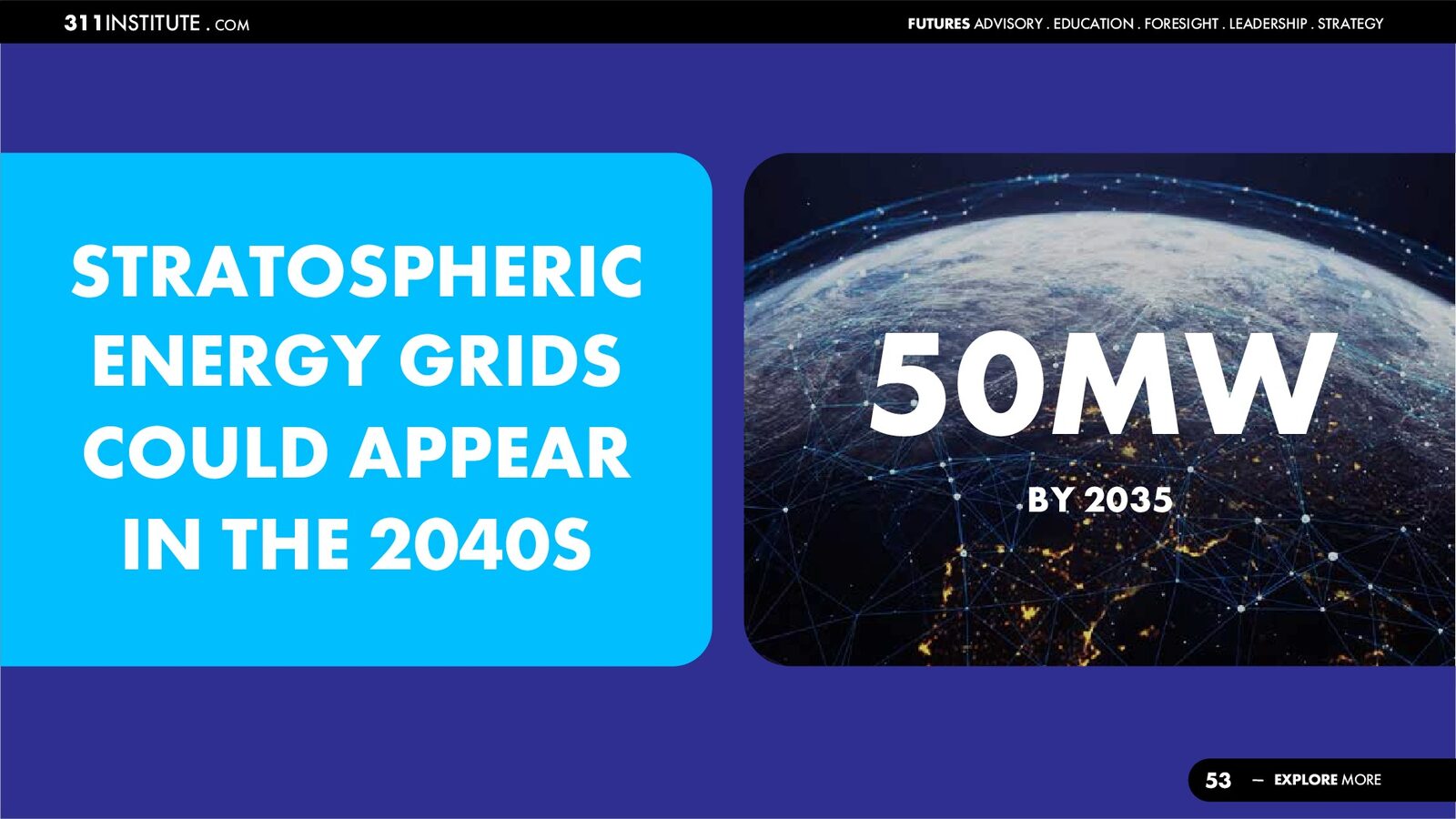
Then came the part that had the most impact on the room, the disruptive technologies. Cable-free GPU rack designs that could design out 671,000 km of cabling. Terahertz links carrying 10 Tbps inside data centres. Buildings that become batteries. Free-space optics, because light travels 50% faster through a vacuum than through solid core fibre. AI compute in orbit that could one day cost $1 billion per gigawatt against $25 billion on the ground. Satellites that talk straight to phones. And stratospheric platforms that could replace up to 250 ground stations, with stratospheric energy grids possible in the 2040s.
The research behind this keynote is in the 311 Institute report The Future of Data and Energy Transmission 2050.


