
Space



JAXA’s eight-ounce SORA-Q sphere unfolded into a wheeled rover, drove itself across the lunar surface and beamed back images – the first real demonstration that cheap robot swarms, not lone giant rovers, could open up the Moon.
China has launched a state-backed space-computing institute in Beijing, taking its AI rivalry with the US into orbit just as SpaceX eyes a $75 billion listing to fund its own space data centres.

WHY THIS MATTERS IN BRIEF Space warfare is coming and satellites are largely defensless and vulnerable to attack, so now…

WHY THIS MATTERS IN BRIEF By pivoting to the Moon, SpaceX aims to build space-based orbital data centers, bypassing Earth’s…

WHY THIS MATTERS IN BRIEF As satellites get destroyed in a space war we need new ways to replenish them…

WHY THIS MATTERS IN BRIEF As Musk looks to colonise Mars it’s going to need its own communications and satellite…

WHY THIS MATTERS IN BRIEF In the movies all space craft just fly into orbit – that’s Single Stage to…

WHY THIS MATTERS IN BRIEF Reusable rockets have disrupted the space industry, could reusable satellites do the same? Love…

WHY THIS MATTERS IN BRIEF Space suits cost billions of dollars to develop and NASA’s old suits have needed a…

WHY THIS MATTERS IN BRIEF Deep space comms are notoriously incredibly slow, but now they’re faster than your fastest home…

WHY THIS MATTERS IN BRIEF Lunar dust clogs up everything so researchers are trying to find ways to get rid…
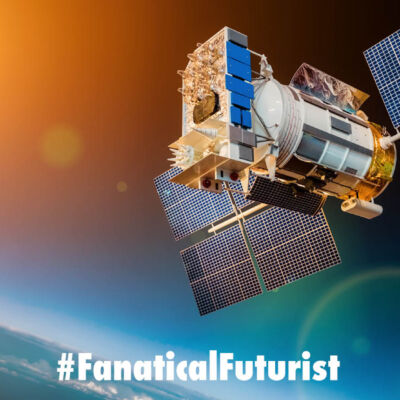
WHY THIS MATTERS IN BRIEF Our modern society relies on satellites for almost everything now, which makes them prime military…