WHY THIS MATTERS IN BRIEF
There was a time when dreamers in China dreamed big and that was it, but now the nation is able to dream and build big …
 Love the Exponential Future? Join our XPotential Community, future proof yourself with courses from XPotential University, read about exponential tech and trends, connect, watch a keynote, or browse my blog.
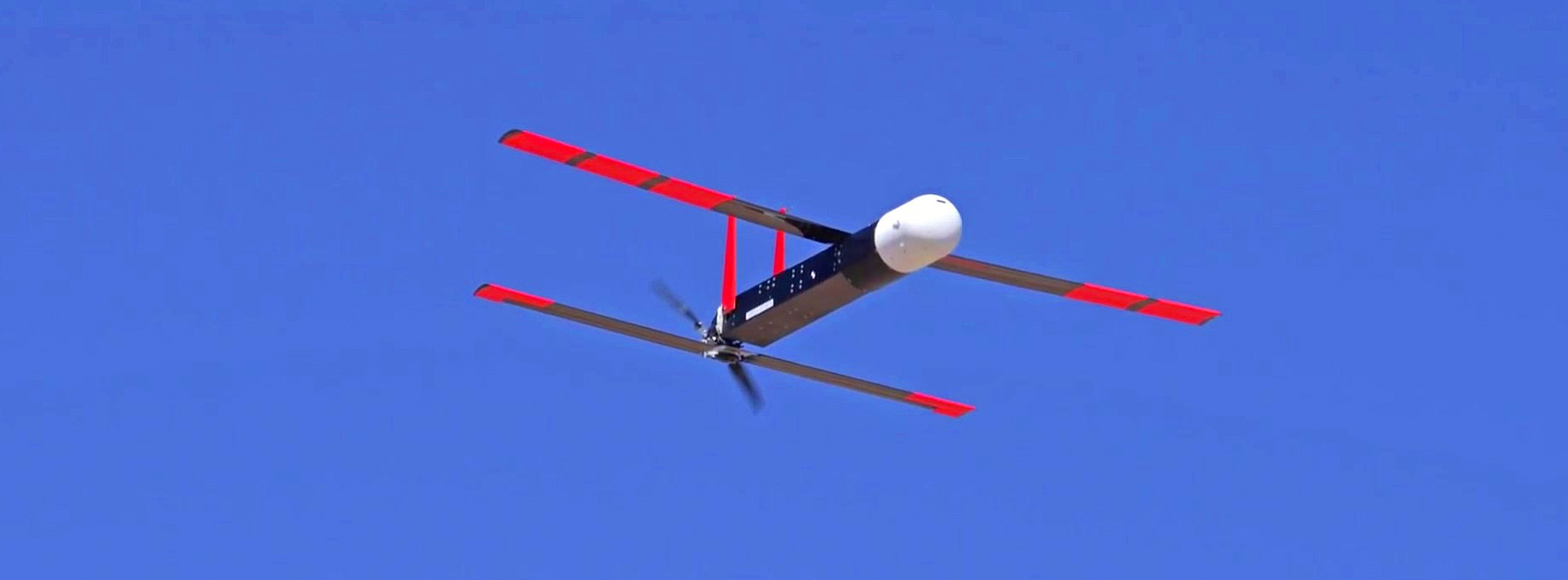
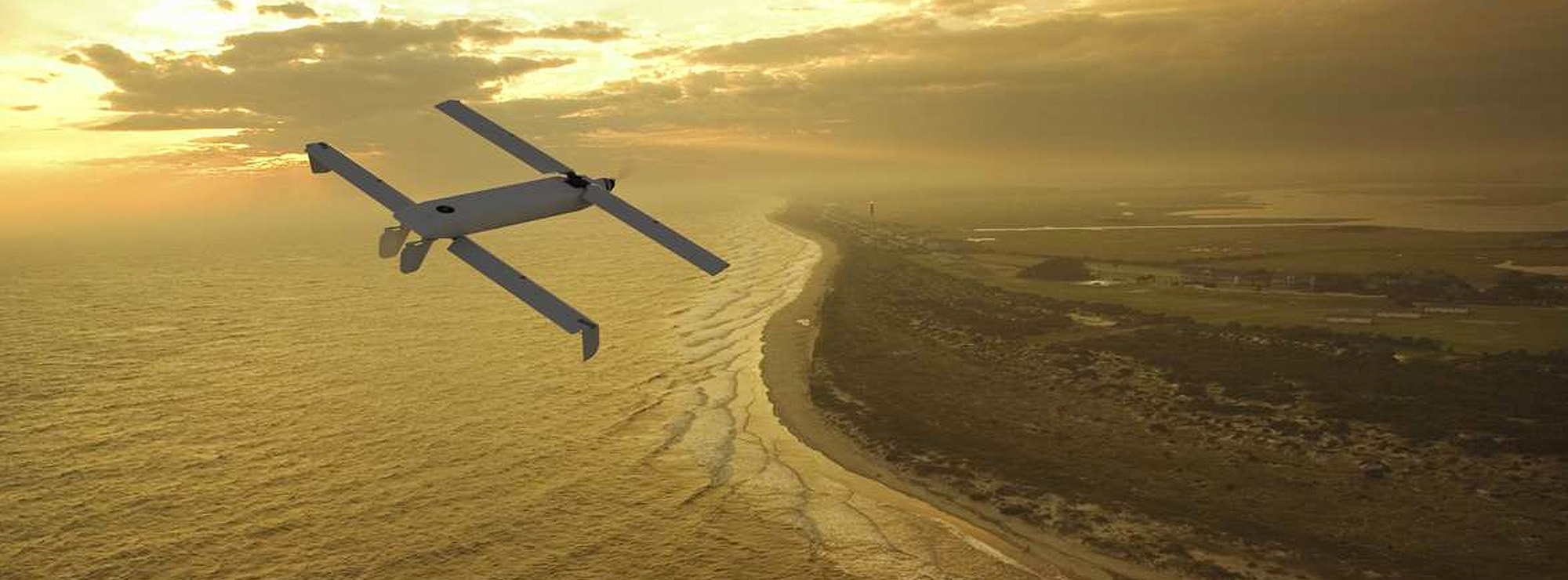
Last weekend, a China Central Television YouTube channel shared a video showing off some recent developments in autonomous aerial vehicles. There were plenty of quotidian craft on display, like the Wing Loong II Long Range Drone and the Lanying R6000 Tiltrotor – remarkable achievements for a nation barely a century removed from semi-feudal rule to be sure, but not exactly breaking news.
One segment of the video, however, showcased a conceptual spacecraft called the Luan Niao, an orbital mothership designed to launch uncrewed fighter drones and “hyper-ballistic missiles” from the edge of space.
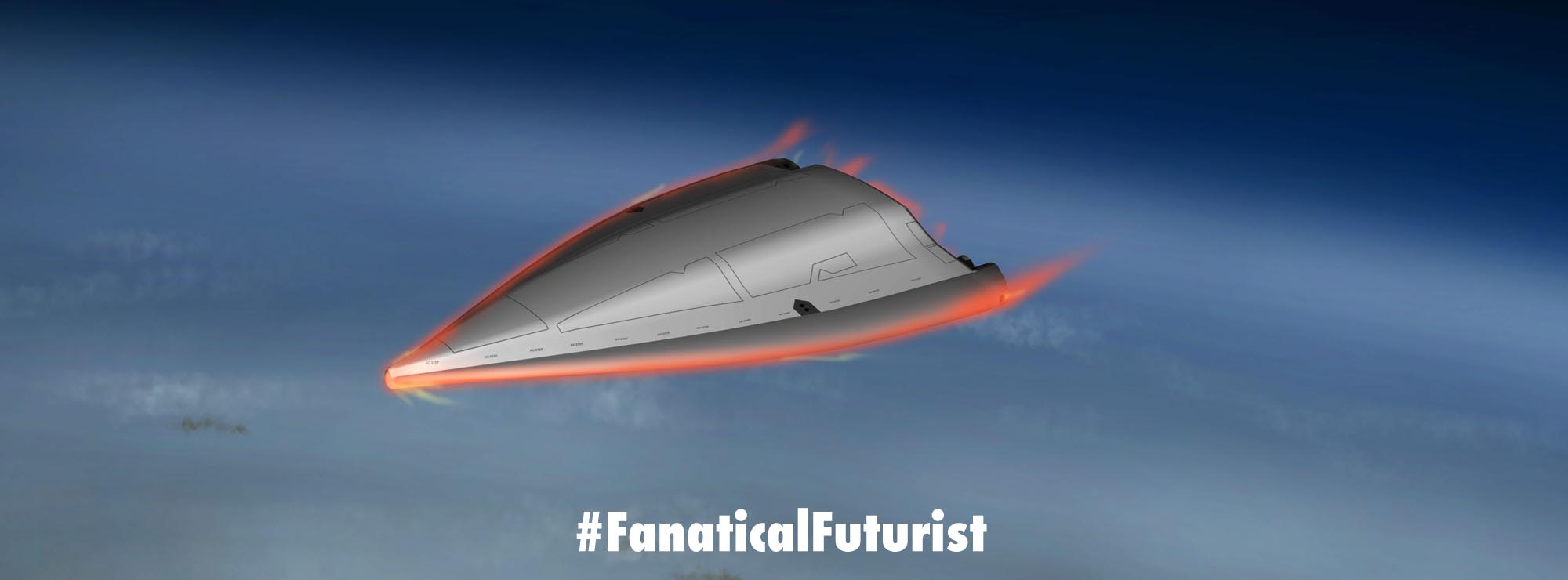
According to the Telegraph, the Luan Niao design specs point to a behemoth spaceship that would measure nearly 800 feet nose-to-tail and span some 2,244 feet in width. With that size, designers say it could weigh as much as 120,000 tons, with a payload of 88 “Xuan Nu” autonomous fighter drones that operate in the upper limits of the stratosphere.
See the renders
Xuan Nu fighters are also a conceptual spacecraft, a hypothetical 6th generation jet showcased at tech exhibitions to get students and the public hyped for careers in engineering and science.
The Xuan Nu fighter concept has been circling around aerospace trade shows since at least 2019, while the idea for the Luan Niao dates back a full decade. However, both craft have been newly revived as audacious 3D renders for the “South Heaven Gate Project,” a coordinated push to align China’s aerospace and defense sectors around a common – if far fetched – goal.
The South Heaven Gate announcement by state media sparked a number of excited posts from Chinese netizens, including fictional stories set in a near future where the People’s Republic has a fleet of Luan Niao carriers circling the globe.
If the massive spacecraft ever makes it to reality, it would “outclass pretty much everyone,” Peter Layton, defense expert and fellow at Australia’s Griffith Asia Institute told the Telegraph.
Layton noted that the Luan Niao would allow China’s military to deploy military assets pretty much anywhere it wants without in the world: “You’re also out of range of the weather, generally speaking – and you’re out of range of most defensive systems.”
The tremendous energy required to launch a 120,000 ton craft makes the Laun Niao and its drone fleet a distant fantasy – unless you build them and launch them from the Moon, which might be a possibility. But given China’s rapid pace of technological development in recent years, what seems impossible today may not stay that way for long.