WHY THIS MATTERS IN BRIEF
China and Russia have the edge on hypersonic weapons development and the West is racing to catch up, and a Mach 8 missile is the fastest weapon to be 3D printed ever.
Matthew Griffin is the World’s #1 Futurist Keynote Speaker and Global Advisor for the G7 and Fortune 500, specializing in exponential disruption across 100 countries. Book a Keynote or Advisory Session — Join 1M+ followers on YouTube and explore his 15-book Codex of the Future series.
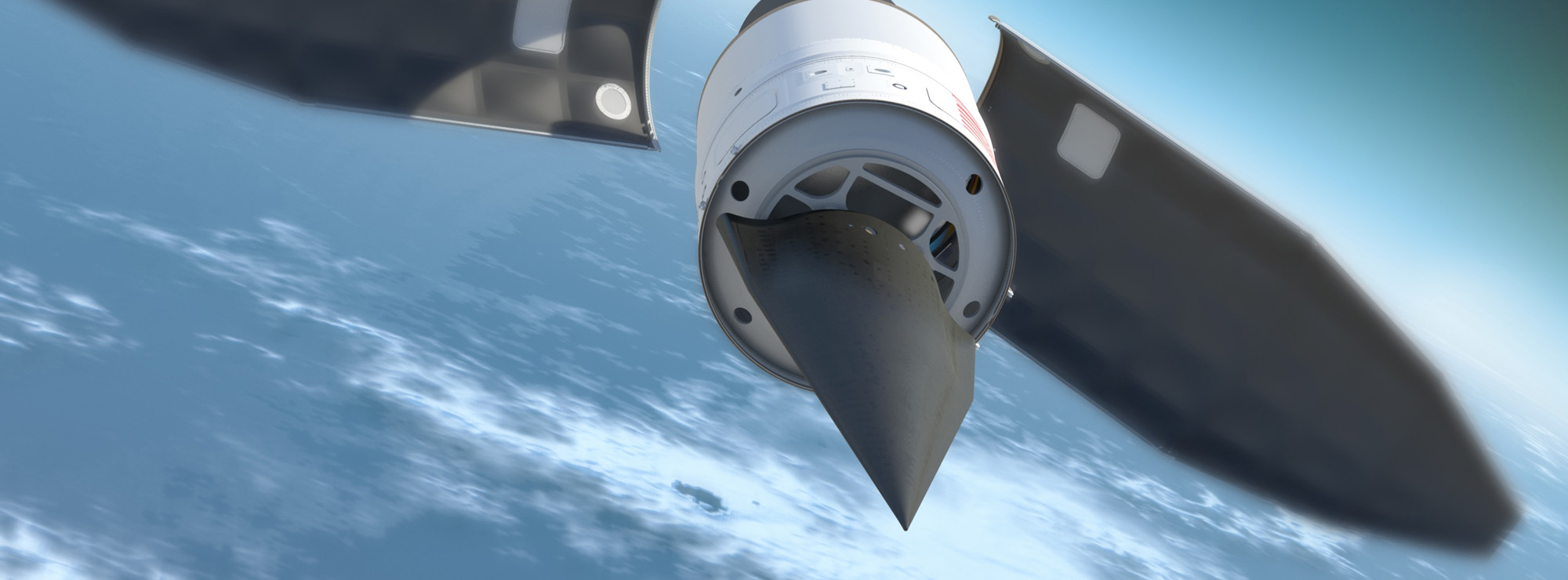
Earlier this month Australia’s Hypersonix Launch Systems made a historic launch of its next-generation DART AE hypersonic aircraft from Wallops Island, Virginia. Taking off aboard Rocket Lab’s HASTE launch vehicle, the DART AE reached a top speed of Mach 8 as the climax of the Cassowary Vex mission.
Designated “That’s Not a Knife” by Rocket Lab, the launch was not the first flight of an Australian hypersonic vehicle, but it still marked several significant milestones. DART AE is the world’s first hypersonic aircraft made entirely from high-temperature alloys using 3D printing. It is also powered by an air-breathing SPARTAN scramjet burning green hydrogen fuel.
See it launch
According to Rocket Lab, the flight was conducted under the US Department of Defense’s Innovation Unit to validate the 3D-printing techniques, high-temperature materials and autonomous guidance systems under real-world hypersonic conditions. Telemetry from the flight will be compared to simulated digital models generated beforehand.
The launch took place at 7:00 pm EST from Rocket Lab Launch Complex 2 at the Mid-Atlantic Regional Spaceport (MARS), NASA’s Wallops Flight Facility, Wallops Island, Virginia. Rocket Lab’s Hypersonic Accelerator Suborbital Test Electron (HASTE) booster sent the 662-lb (300-kg) DART AE missile on a suborbital trajectory, accelerating it to Mach 5, after which the scramjet ignited in the upper atmosphere.
Reaching its target speed of Mach 8 and an altitude of about 16 miles (26 km), the vehicle flew approximately 540 nautical miles (621 miles, 1,000 km) before splashdown in the Atlantic Ocean. Rocket Lab provided a live feed of the mission; however, at the request of Hypersonix Launch Systems, the builder and operator of DART AE, all video was cut before fairing release and stage separation.
“This mission allowed us to test propulsion, materials and control systems in real hypersonic conditions,” said Hypersonix co-founder Dr Michael Smart, a former NASA research scientist and former Chair of Hypersonic Propulsion at the University of Queensland. “At these speeds and temperatures, there is no substitute for flight data. The results from this mission will directly shape the design of future operational hypersonic aircraft.”
Source: Hypersonix Launch Systems